Delivery Health (Deriheru) in Japan: Where to Stay, What It Costs and How Booking Works
Delivery health (deriheru) is the most common type of adult venue in Japan. What it is, what it costs, which hotels work, the booking flow from start to finish, and what foreign visitors should watch out for.
· 5 min read
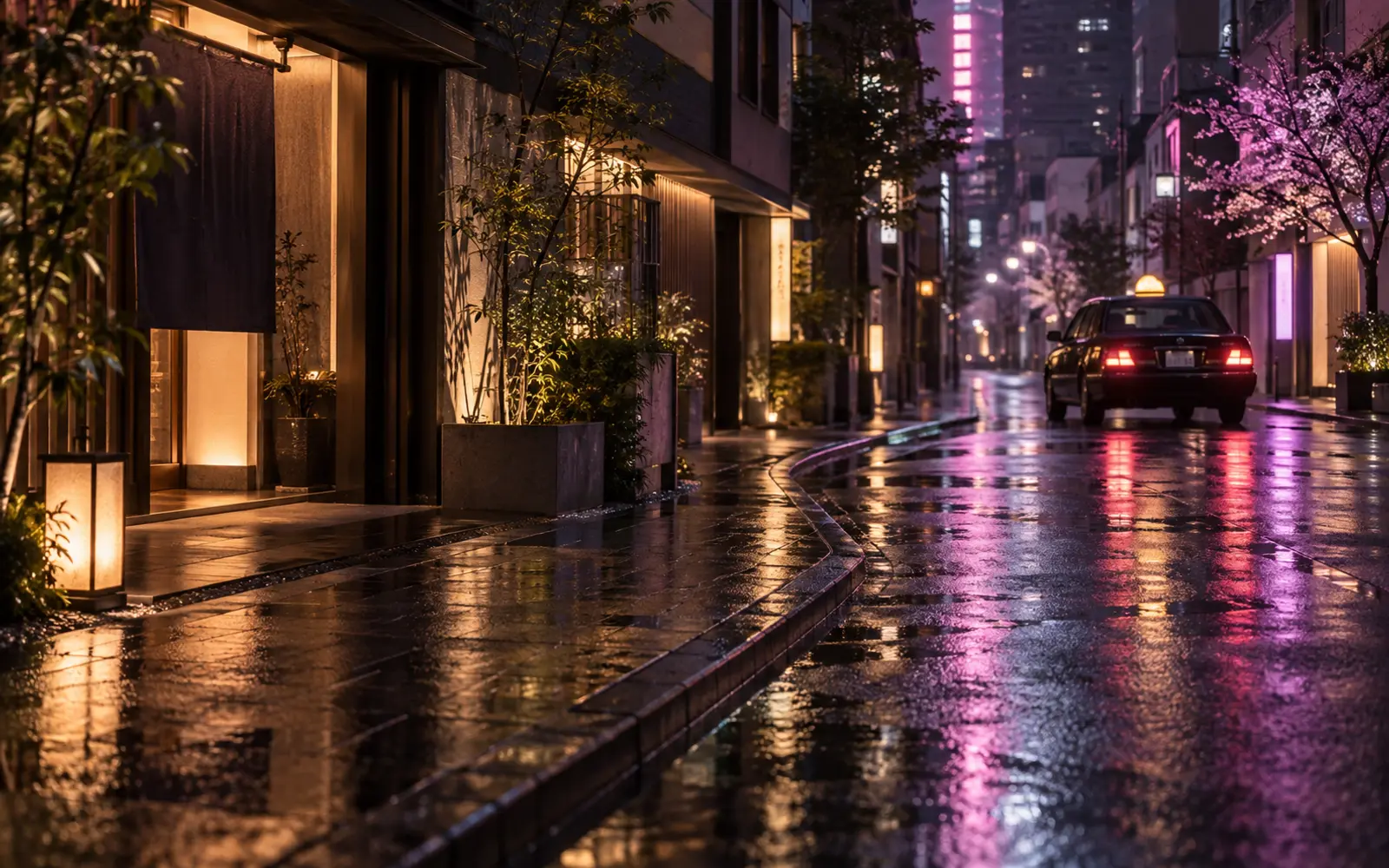
Delivery health (デリヘル, deriheru) is an adult service where the cast comes to your room instead of you going to a shop. It's the most common type of fuzoku in Japan and works almost anywhere in Tokyo or Osaka, which is why travelers use it most. The catch is where you're staying: the wrong hotel can mean being turned away at the front desk or paying extra. Here's what first-timers need to know, in order.
What delivery health is
- An adult service with no shop floor. It is registered under Japan's adult entertainment law; you book by phone or online and the cast comes to your hotel or home. Terms are explained in the glossary.
- 18+ only, and as with every fuzoku venue, full intercourse is prohibited by law.
- If you have nowhere to host or your hotel blocks visitors, hotel health, where you meet at the shop's reception and walk to a nearby hotel together, may be easier.
What it costs
The course price isn't the whole bill. These are rough ranges for the main districts of Tokyo and Osaka.
| Item | Rough price | Notes |
|---|---|---|
| Course | 60 min ¥10,000–18,000, 90 min ¥15,000–25,000 | High-end shops can start at ¥30,000 for 60 minutes. |
| Nomination fee | ¥1,000–3,000 | Charged when you choose a specific cast. |
| Transport fee | Free to about ¥3,000 | Often free inside the shop's delivery zone, higher the farther out you are. |
| Hotel | Love hotel short stay ¥4,000–9,000 (Tokyo) | Paid to the hotel, not the shop. |
| Extension | Varies by shop | Usually in 30-minute blocks. Check the price list first. |
Where to call them: what to check for each kind of stay
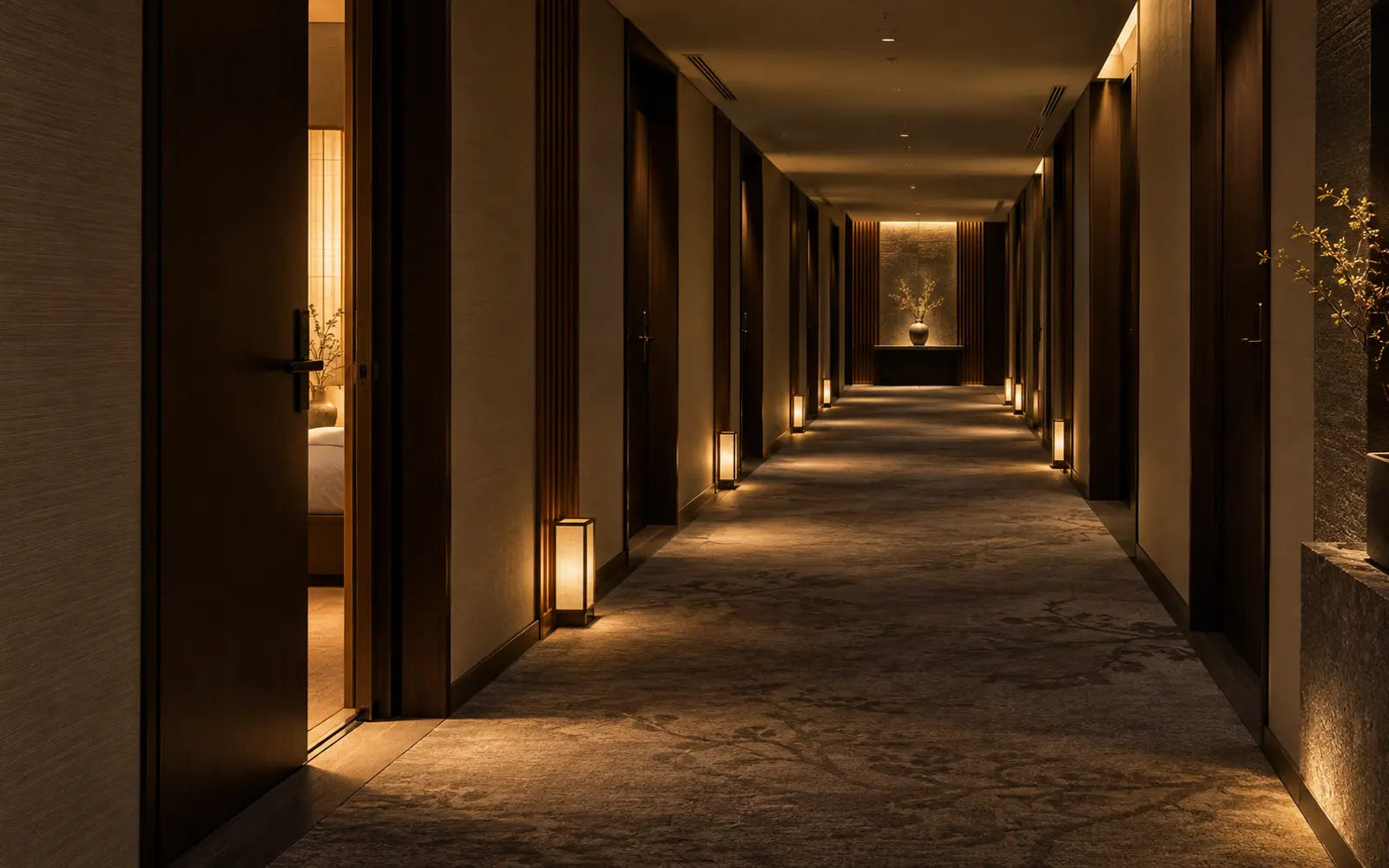
Love hotels: the easiest option
Check in on your own, then send the shop the hotel name and room number and the cast comes to the room. Some love hotels don't allow solo check-in or a second guest arriving later, though. Shops keep a list of hotels they use often, so asking for a recommendation when you book is the safest bet.
Regular and business hotels: careful with single bookings
Many Japanese hotels turn visitors away or charge for an extra guest when the room is booked for one. Some bill the difference between a single and a double if they find out later. If you booked for one, ask the hotel whether visitors are allowed and what it costs, or book for two from the start.
Airbnb and guesthouses: check the house rules
Plenty of rentals ban visitors. If yours allows them, give the shop the building entrance, room number and how to get in so the cast doesn't get lost.
How it works, start to finish
- Pick a shop, cast and course from the delivery health listings or today's roster, and check that the shop accepts foreign guests.
- Book: give the date, start time, course, the cast you want, and your hotel name and nearest station. Popular casts often fill up on the day.
- Check in and report your room: once you're in, send the shop your room number. With love hotels this is usually when you check in.
- The cast arrives and you pay: payment is usually made upfront to the cast in yen cash. The clock starts when the cast calls the shop to confirm arrival.
- Shower, service, shower: showering together at the start and the end is standard.
- Finish: you get a heads-up shortly before time is up and the cast leaves first. Pay the hotel separately when you check out.
What foreign visitors should watch out for
- Many shops don't accept foreign guests, and most phone bookings are Japanese only. Confirm first.
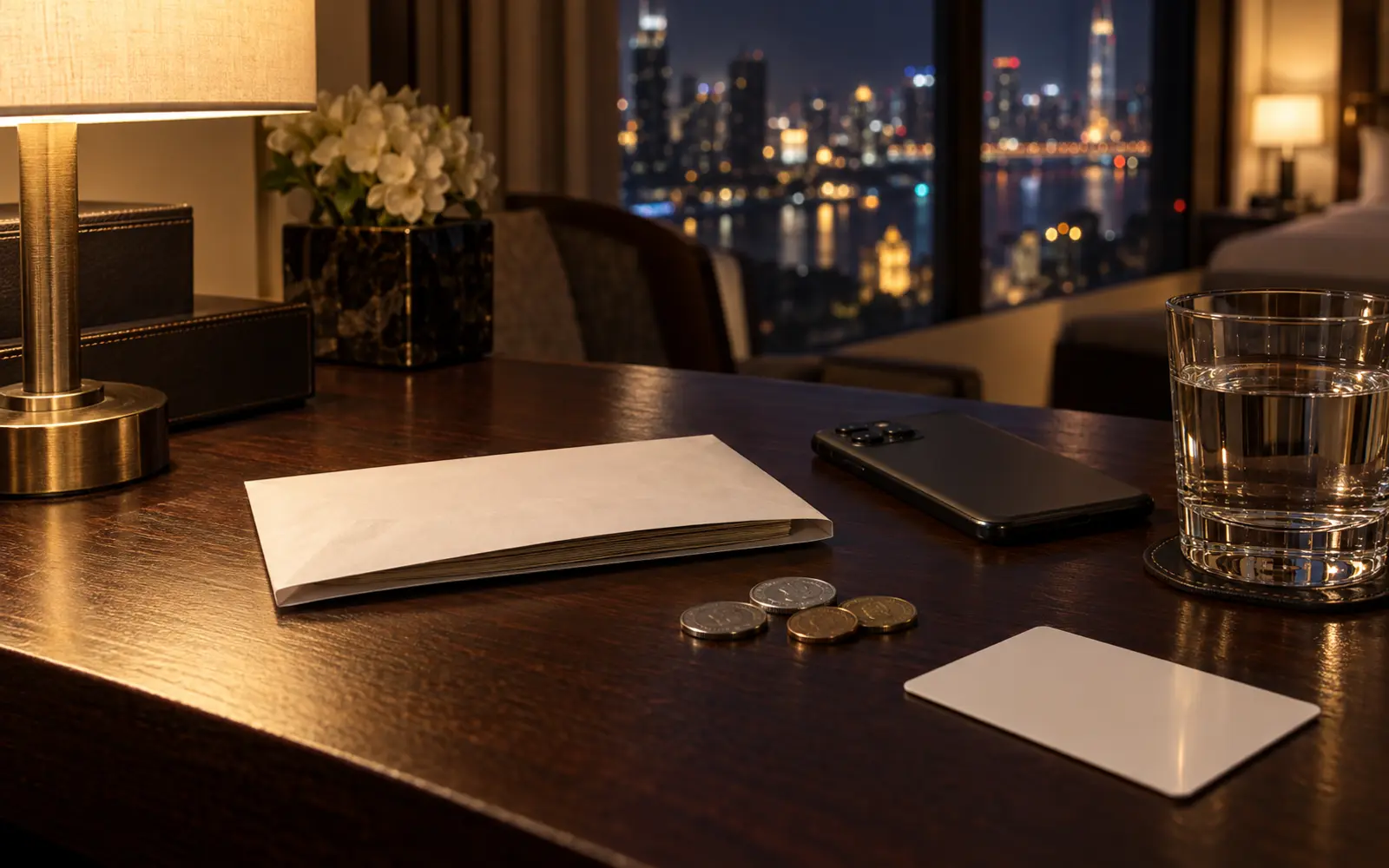
- Bring enough cash, including small bills. Shops that take cards often add a surcharge or need advance notice.
- Be on time. Your course may be counted from the booked time even if you check in late, and a no-show can mean a cancellation fee.
- You can be refused if you're very drunk. No pressuring the cast, no photos, no violence, ever.
- Keep valuables in the safe or your bag, and check the amount you paid against the price list afterwards.
Booking as a foreign visitor
With YORU Concierge you tell us the shop or cast and time, plus what kind of place you're staying in and how many guests the room is booked for, and we call the shop in Japanese. We check that it accepts foreign guests and can come to your stay, then make the booking, or suggest similar shops if it can't. If nothing works out, the fee is refunded in full. For nightlife in general see the Japan nightlife guide; for the booking flow see how it works.
Found a venue you like?
We call the shop in Japanese, check that it accepts foreign guests and book it for you. If it can't be booked, the fee is refunded in full.
Booking fee ¥3,000 (≈$20)|same day ¥4,000
FAQ
Can I call a cast to a business hotel?
It depends on the hotel. Many turn visitors away or charge extra when the room is booked for one. Ask the hotel first or book for two; if you're unsure, a love hotel is the easiest option.
When and how do I pay?
Usually in yen cash to the cast when they arrive. The hotel is paid separately. Some shops take cards, often with a surcharge.
How long a course should I book?
Showers come out of your time, so 90 minutes is more relaxed than 60 for a first visit. Minimum courses vary by shop.
Can I book for the same day?
Yes, but popular casts fill up early and confirming that a shop accepts foreign guests takes time, so booking by the day before is best.
What happens if the hotel won't let the cast in?
Shops usually treat it as your cancellation and charge a fee, often including transport. Checking your hotel's rules before booking matters most.